Fresh Cut Christmas Trees Pine Fir: A Stitch Review
First Impressions: Capturing the Woodland Holiday Mood
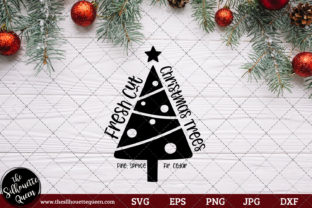
When evaluating a new machine embroidery design for the holiday season, my primary concern is always whether the digital art translates effectively into thread. The Fresh Cut Christmas Trees Pine Fir graphic immediately stands out because it balances rustic charm with clean lines. As a designer who frequently creates custom apparel and seasonal merchandise, I look for artwork that evokes a specific feeling without relying on excessive complexity. This design captures that quintessential "fresh cut" evergreen scent visually. The silhouette suggests pine, fir, spruce, and cedar textures without becoming a muddy mess of indistinguishable needles.
For those of us in the Crafts industry, specifically within Graphics for textile application, this aesthetic is currently in high demand. It feels organic rather than manufactured. When I first loaded the file to assess its potential as an embroidery project, I noticed the shape lends itself beautifully to both traditional green-and-red palettes and modern neutral tones. It does not scream "cheap clipart"; instead, it possesses a hand-drawn quality that elevates the perceived value of any handmade product it adorns.
Real-World Application: The Canvas Tote Bag Test
To truly judge the viability of Fresh Cut Christmas Trees Pine Fir, I mentally placed it onto a natural canvas tote bag intended for a boutique holiday collection. Totes are unforgiving; the fabric texture is coarse, and customers expect durability. In this scenario, the design’s bold outline and solid shapes are advantageous. If this were a delicate line-art drawing, it might get lost against the weave of the canvas. However, the substantial form of these trees allows for a confident fill stitch or even an applique design approach.
I envision stitching this in a deep forest green satin stitch border with a lighter sage fill. On a tote, this creates a tactile contrast that buyers love to touch. For an Etsy seller or small shop product creator, this specific application works because the tree motif is universally recognized yet distinct enough to serve as brand signage. It transforms a generic bag into a personalized gift or a branded retail item. The key here is scale; on a tote, you have ample room to let the Fresh Cut Christmas Trees Pine Fir breathe, ensuring the stitch density remains manageable and the fabric doesn't pucker.
Performance Across Different Substrates
Beyond totes, I evaluated how this graphic performs on other common substrates used by creative entrepreneurs:
- Sweatshirt Embroidery: Fleece and french terry fabrics are thick and stretchy. The solid nature of this tree design provides enough coverage to sit atop the nap of the fabric without sinking in. It works exceptionally well centered on the chest or as a smaller accent on the cuff.
- Baby Embroidery: Here, caution is required. While the design is adorable for nursery decor or blankets, placing it on a onesie requires resizing. You must verify that the digital embroidery file maintains integrity when scaled down. Small details in the pine needles may need to be simplified to prevent stiff, bulletproof stitching on delicate cotton.
- Kitchen Towels and Aprons: These items face frequent washing. The Fresh Cut Christmas Trees Pine Fir design holds up well here because its shapes are distinct. Unlike intricate shading that can fray over time, bold silhouettes remain legible and attractive even after years of use.
Navigating Technical Constraints and Fabric Choices
Every experienced embroiderer knows that a beautiful screen image does not guarantee a beautiful stitch-out. When working with Fresh Cut Christmas Trees Pine Fir, you must consider your hoop size and stabilizer choice carefully. Because the product description includes PNG, SVG, EPS, DXF, and JPG formats, you likely have access to vector data. This is excellent for resizing, but remember that resizing a raster-based PNG for embroidery requires redigitizing, not just stretching pixels.
If you are using this for commercial embroidery on performance wear or thin polyester, the design’s density could be problematic. Heavy fill stitches on lightweight fabric cause tunneling. In such cases, I recommend converting the interior to a running stitch or cross-stitch effect to reduce thread count while maintaining the visual identity of the pine and fir elements. Always test on scrap fabric first. Check your thread colors against the actual garment, not just the screen. Dark green thread on black fabric disappears; you may need a light outline or a metallic accent to make the Fresh Cut Christmas Trees Pine Fir pop.
Where to Exercise Caution
While versatile, this design has limitations. Avoid placing it on highly textured surfaces like boucle or chunky knits unless you use a heavy water-soluble topping. The fine points of the cedar and spruce tips can get buried. Additionally, if you are creating embroidered patches, ensure the outer edge is digitized specifically for merrowing or a tight satin border. Simply stitching the raw graphic to the edge of twill will result in fraying. For caps, the curved surface distorts vertical alignment; center the main trunk of the tree perfectly, or the entire motif will appear to lean.
Enhancing Value and Professional Presentation
For digital product sellers and makers, presentation is as important as the stitch-out. Using the included transparent PNG for printable mockups helps customers visualize the end result before they buy or commission a piece. However, do not rely solely on digital previews. Photographing a real sample of Fresh Cut Christmas Trees Pine Fir builds trust. Buyers want to see how the thread interacts with the fabric. They want to know that the design assets they are purchasing translate to professional-grade results.
This design also offers excellent opportunities for bundling. Pair it with complementary typography for a complete holiday embroidery collection. As an Etsy seller, listing this as part of a "Woodland Christmas" bundle increases average order value. Just ensure you understand the licensing. The product mentions cut files for Cricut and Silhouette, which implies crafting versatility, but always confirm if commercial use of the embroidery file itself is permitted for mass production versus small-batch handmade sales.
Designer Notes for Successful Execution
Before you hoop your first garment with Fresh Cut Christmas Trees Pine Fir, run through this practical checklist:
- Verify File Integrity: Open the SVG or EPS in your embroidery software to ensure paths are closed and nodes are clean. Jagged vectors create jagged stitches.
- Test Contrast: Print a black and white version of the design. If the tree species (pine vs. fir) aren't distinguishable in grayscale, they won't be distinguishable in same-tone thread colors. Adjust shading or texture accordingly.
- Stabilizer Match: Use cut-away stabilizer for stretchy custom apparel and tear-away for stable woven fabrics like tote bags. Never skip stabilizer on knitwear.
- Needle Selection: For detailed corners in the foliage, a sharper needle (like a 75/11 sharp) may pierce the fabric more cleanly than a universal needle, reducing pull distortion.
- Licensing Check: Before selling finished goods or the digital embroidery file, review the specific terms provided with your download. Protect your business by respecting intellectual property rights.
Fresh Cut Christmas Trees Pine Fir is a robust, evocative asset for the holiday maker. By treating it with technical respect and creative intention, you transform a simple graphic into a cherished finished product that celebrates the season with professionalism and warmth.